
Table of Contents
In the hustle and bustle of modern life, stress has become a constant companion for many of us. It Hides in wait in the shadows of our daily Lives, waiting to pounce at the slightest sign of vulnerability. But what if we could master the art of managing this invisible foe? What if we could turn the tables and use stress as a tool for growth rather than a source of distress? Welcome to the world of Bioresonance therapy, a unique approach to stress management that promises not just relief, but mastery over stress.

Understanding Stress
Stress is our body’s response to pressures from a situation or life event. It stems from our primal instinct to protect ourselves, a survival mechanism known as the ‘fight or flight’ response. But when stress becomes chronic, it’s like a ticking time bomb, silently wreaking havoc on our physical and mental well-being.
Let’s use the example of John, a hardworking professional in his mid-30s. John was always known for his resilience and ability to handle pressure. But over the years, the relentless demands of his high-stress job began to take a toll on him. He started experiencing frequent headaches, insomnia, and bouts of anxiety. His productivity dipped, and he felt like he was stuck in a vicious cycle of stress and its debilitating effects.
This is where Bioresonance therapy comes into the picture. Rooted in the principles of quantum physics, Bioresonance therapy offers a holistic approach to stress management. It works on the premise that our bodies are made up of energy fields. When we’re under stress, these energy fields can become imbalanced, leading to a host of physical and psychological symptoms. Bioresonance therapy aims to restore this balance, helping individuals like John regain control over their stress levels and, by extension, their lives.
An Overview of Bioresonance Therapy
Bioresonance therapy is a non-invasive therapy that involves the use of a device that captures and uses the electromagnetic waves from a person’s body to identify imbalances. The principle behind this therapy is that every cell in our body, healthy or unhealthy, emits a unique electromagnetic signature. These signatures can be read, interpreted, and, if necessary, rebalanced by a Bioresonance device.
Consider the example of Lisa, a Bioresonance therapist. Lisa had a client, Emily, who was dealing with chronic stress due to her demanding job and personal issues. Emily had tried various stress management techniques, but nothing seemed to work. When Emily approached Lisa, Lisa used a Bioresonance device to scan Emily’s body. The device picked up on the imbalances in Emily’s energy fields, which were indicative of high stress levels.

The Impact of Stress and the Role of Bioresonance Therapy
Stress, when left unchecked, can lead to a multitude of health problems, including heart disease, diabetes, depression, and anxiety. In Emily’s case, her chronic stress was leading to frequent migraines and insomnia.
Bioresonance therapy helped Emily understand the root cause of her stress. Lisa explained that the imbalances picked up by the Bioresonance device were due to Emily’s body constantly being in ‘fight or flight’ mode. This constant state of high alert was taking a toll on Emily’s physical and mental health.
With regular Bioresonance therapy sessions, Emily was able to bring her body back into balance. The therapy helped reduce her stress levels and alleviated her migraines and insomnia. Emily’s story is a testament to the effectiveness of Bioresonance therapy in managing stress.
Creating a Personalized Stress Management Plan with Bioresonance Therapy
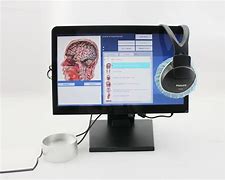
The beauty of Bioresonance therapy is in its personalised approach. It’s not a one-size-fits-all solution, but a tailored plan that takes into account the unique needs and circumstances of each individual.
Take the example of Robert, a middle-aged man juggling a high-pressure job and family responsibilities. Robert was constantly on edge, struggling to keep up with his many roles. When he turned to Bioresonance therapy, the first step was to create a personalized stress management plan.
This plan took into account Robert’s lifestyle, personal preferences, and specific stressors. It included regular Bioresonance therapy sessions, along with complementary practices like mindfulness exercises and dietary changes. The goal was not just to manage stress, but to equip Robert with the tools to master it.
Over time, Robert noticed a significant improvement in his stress levels. He felt more in control, more balanced. His sleep improved, his headaches reduced, and he found himself better equipped to handle the pressures of his daily life. Robert’s story is a testament to the power of a personalized stress management plan, underpinned by Bioresonance therapy.
Bioresonance, An Alternative Therapy For Mild And Moderate Depression
This study’s results confirmed that bioresonance therapy could improve, independently of the level of depression
Daniela Muresan,1 Septimiu Voidăzan,corresponding author2 Andreea Salcudean,3 Cristina Raluca Bodo,4 and Iosif Gabos Grecu5
Author information Article notes Copyright and License information PMC Disclaimer

Daniela Muresan
National Institutes of Health

Conclusion
The journey towards mastering stress management is a personal one, filled with challenges and triumphs. But with tools like Bioresonance therapy, it’s a journey that can lead to a more balanced, healthier life. By understanding stress, its impacts, and how Bioresonance therapy can help, we can take control of our stress levels and, ultimately, our well-being.
Please note: The examples given above are from real people but we cannot publish personanl details.