

A cancer diagnosis is an overwhelming biological event, but it is equally an emotional and psychological one. While much of the journey rightly focuses on physical treatments, such as partnering closely with your oncology team, we cannot overlook the profound impact of the mind and the people around us. Psychological resilience and strong community support are not just "nice to have"—they are clinically proven to improve treatment adherence, quality of life, and emotional survival.
The Power of a Resilient Mindset
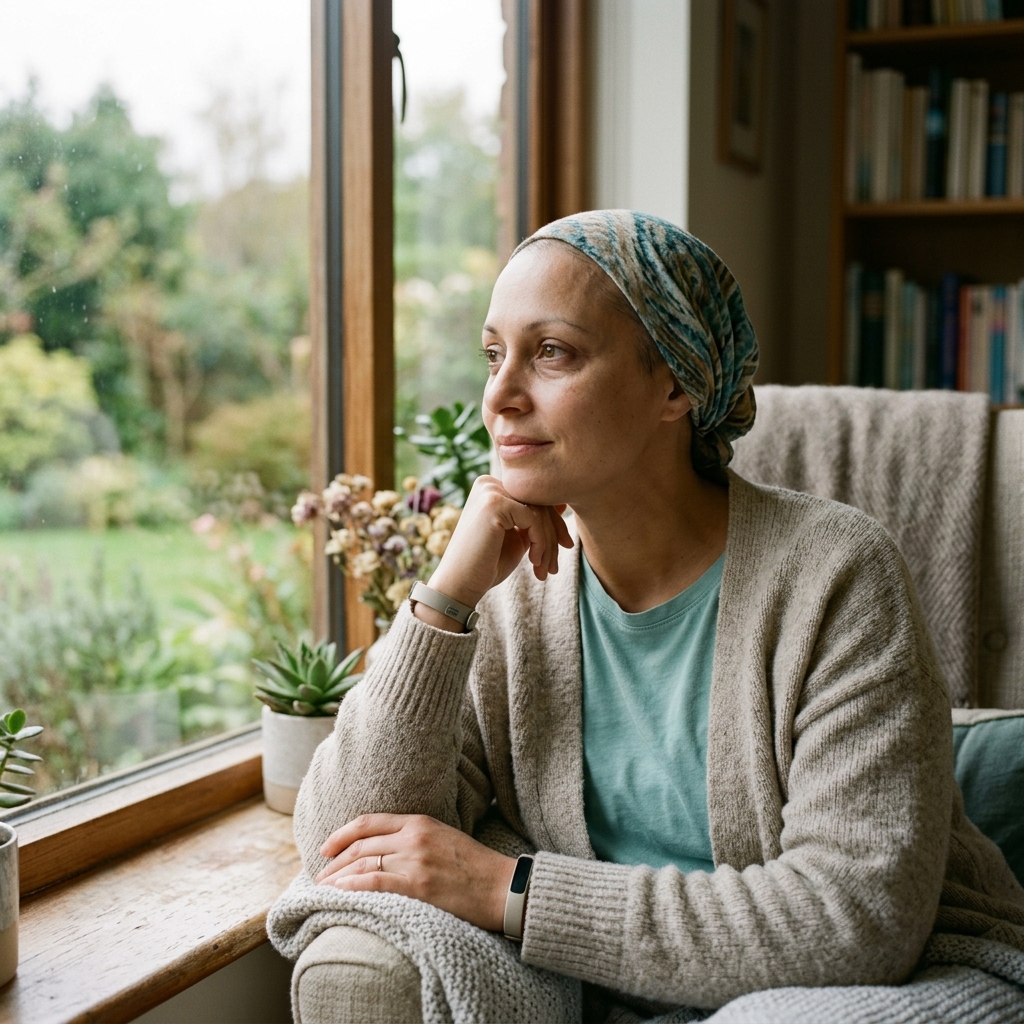
Psychological resilience is not about "toxic positivity" or ignoring the fear that comes with a diagnosis. True resilience is the ability to acknowledge fear, process grief, and yet maintain a tether to hope and practical coping mechanisms.
Studies consistently show that patients who actively engage in stress-reduction techniques and maintain a sense of purpose exhibit lower levels of systemic inflammation. When your mind feels safe, your nervous system can down-regulate, shifting out of the "fight or flight" mode that cancer so easily triggers.
Just as clean diets and lymphatic flow nourish the physical body, cognitive behavioral therapies (CBT) and mindfulness nourish the emotional body.
Community: Your Healing Ecosystem
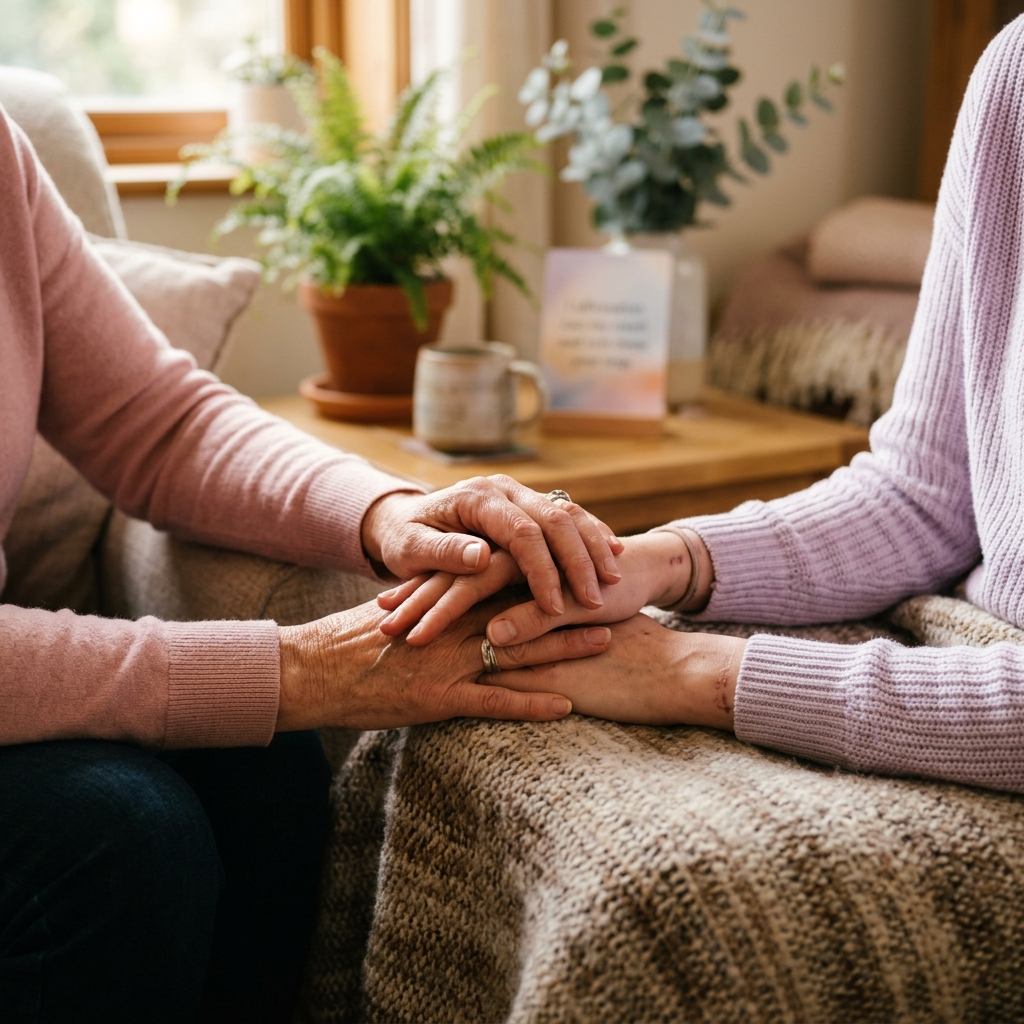
Isolation is one of the most dangerous side effects of a severe illness. Building a community—whether that includes family, friends, spiritual groups, or structured cancer support circles—creates a buffer against anxiety.
According to extensive clinical literature, including peer-reviewed studies available via the National Institutes of Health (PubMed), strong social support acts as a mediator for psychological resilience. It helps patients navigate the logistical nightmare of treatment while providing the emotional affirmation needed to keep going.
Integrating Support at Rife Wellness Centre
At the Rife Wellness Centre, we view healing holistically. While Bioresonance Therapy focuses on biophysical alignment and energetic balance, we strongly encourage all our clients to actively cultivate their psychological resilience. You are not just a diagnosis; you are a human being requiring multi-tiered support.
For practitioners interested in the clinical data regarding psychosocial interventions in oncology, we regularly update the literature in our Practitioner Research Database.


Leave a Comment
Your email address will not be published. Required fields are marked *