When undergoing conventional oncology treatments, the body experiences significant physiological stress. Supporting your body’s natural detoxification pathways and immune function becomes paramount. Two of the most foundational pillars for this holistic support are maintaining a clean diet and encouraging gentle lymphatic flow.
At Rife Wellness Centre in Randburg, South Africa, we emphasize that these supportive measures are not medical treatments or cures for cancer. Rather, they are complementary practices designed to help maintain vitality, manage therapy-related fatigue, and optimize your body’s innate healing environment alongside your oncologist’s protocol.
The Crucial Role of the Lymphatic System
The lymphatic system is a network of tissues, vessels, and organs that work together to move a colorless, watery fluid called lymph back into your circulatory system. It serves two primary functions critical to anyone managing a chronic illness:
- Detoxification: It acts as the body’s drainage system, clearing out cellular waste, toxins, and fluid buildup.
- Immune Defense: Lymph nodes filter lymph fluid and house lymphocytes (white blood cells) that attack foreign invaders.
During rigorous medical treatments, the lymphatic system can become sluggish or overwhelmed, leading to swelling (lymphedema), fatigue, and a compromised immune response. Supporting lymphatic motility is therefore a central goal in holistic care.
Clean Diets: Reducing the Lymphatic Workload

What you eat directly impacts how hard your lymphatic system has to work. The lymphatic system is responsible for absorbing dietary fats from the digestive tract. A heavy, highly processed diet can place a significant burden on this system.
Scientific Insights on Diet and Lymphatic Health
Recent research highlights the intricate connection between dietary intake, the microbiome, and immune-lymphatic function:
- Dietary Fats and Chyle Flow: Long-chain fatty acids require lymphatic transport. Studies have shown that modifying dietary fats—such as utilizing Medium-Chain Triglycerides (MCTs), which bypass the lymphatic system and are absorbed directly into the portal vein—can reduce the volume of lymph fluid (chyle) and ease the burden on lymphatic vessels.
(Reference: "Effectiveness of medium-chain triglycerides in chylothorax management: A review." PMID: 41697733) - The Microbiome and Malignancy: An optimal, clean diet rich in diverse plant fibers supports a healthy microbiome. Emerging research emphasizes that microbiome homeostasis is closely linked to immune regulation and can influence the microenvironment in various tissues, including breast tissue.
(Reference: "The Human Breast Microbiome: From Homeostasis to Malignancy, Mechanistic Insights and Therapeutic Perspectives." PMID: 42278256) - Nutritional Interventions and Immunity: Adequate protein and nutrient interventions have been shown to support immune responses and improve the tolerability and efficacy of conventional treatments in models.
(Reference: "Dual-Protein Intervention... Preliminary Evaluation of Its Effects on Anti-Tumor Efficacy... and Immune Responses." PMID: 42280307)
Key Dietary Guidelines for Lymphatic Support
- Hydration is Key: Lymph fluid is primarily water. Inadequate hydration causes lymph fluid to become thick and slow-moving. Drink plenty of clean, filtered water daily.
- Focus on Whole, Anti-Inflammatory Foods: Emphasize leafy greens, berries, cruciferous vegetables, and lean proteins. These foods provide essential antioxidants that combat oxidative stress without overburdening digestion.
- Limit Processed Foods and Refined Sugars: These contribute to systemic inflammation, which can further tax the immune and lymphatic systems.
Gentle Movement: The Lymphatic Pump

Unlike the cardiovascular system, which has the heart to pump blood, the lymphatic system does not have a central pump. It relies entirely on muscular contraction, diaphragmatic breathing, and physical manipulation to move fluid.
When battling fatigue, intense exercise is often out of the question. However, gentle movement is critical:
- Walking: A slow, 15-minute walk can stimulate calf muscles, which act as a powerful pump for lymphatic fluid in the lower body.
- Deep Diaphragmatic Breathing: The simple act of deep belly breathing changes the pressure in the chest and abdomen, drawing lymph fluid upward through the thoracic duct.
- Gentle Stretching and Yoga: Restorative stretching helps compress and release tissues, encouraging lymph flow without exhausting the body’s energy reserves.
- Dry Brushing: A practice of gently brushing the skin toward the heart before a shower can stimulate superficial lymphatic capillaries.
Complementary Support: Bioresonance and Rife Frequencies
At Rife Wellness Centre, we utilize bioresonance and Rife frequency technologies as part of a comprehensive, supportive wellness approach.
How it fits into your holistic plan:
- Biophysical Support: Bioresonance is designed to support the body is biophysical environment. By delivering targeted, non-invasive frequencies, we aim to promote relaxation and help the body manage autonomic stress.
- Supporting Vitality: Many clients find that regular sessions help alleviate the profound fatigue associated with physiological stress, making it easier to engage in the gentle movements necessary for lymphatic health.
- Non-Invasive and Complementary: These therapies do not interfere with pharmaceutical oncology treatments. They are entirely complementary, focused purely on energetic balance and well-being.
Integrating a clean, lymphatic-supporting diet with gentle movement and complementary biophysical therapies can help build a foundation of resilience during challenging times. For more personalized advice on immune support or to explore our holistic health technologies, contact us today.
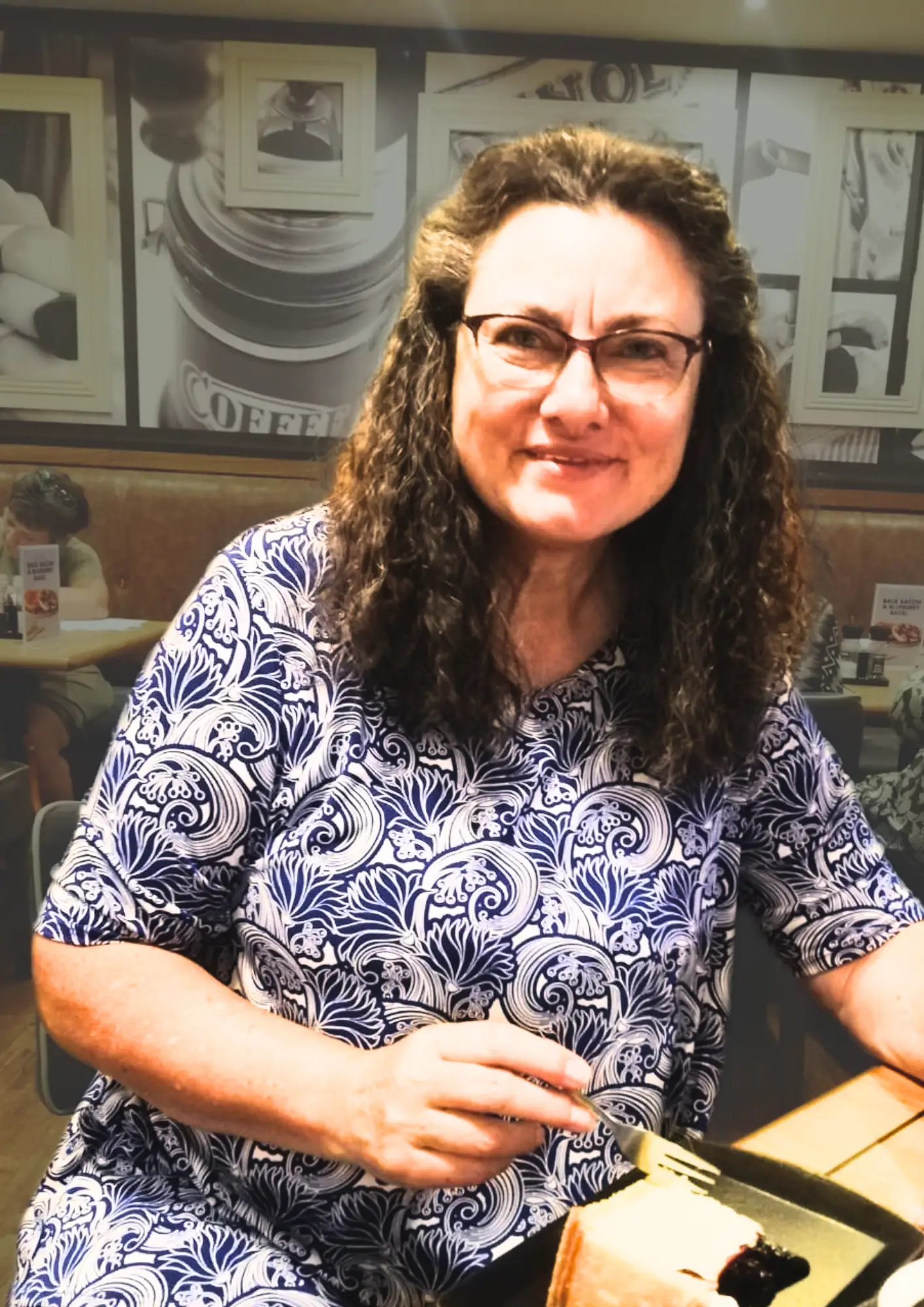
Authors: Mariana Botha (NHP) & Bryan Botha (NHP)
Natural Health Practitioners (SATAHWA Reg No. 18132909)
15+ years experience in complementary wellness technologies.
Mariana Botha (NHP) is a qualified Bioresonance practitioner dedicated to holistic wellness. She meticulously reviews and interprets wellness scans, blending frequency wellness with targeted nutritional support to help clients achieve their health goals.
Registered with: SATAHWA (Reg No. 18132909) and ANHA as Natural Health Practitioners (NHP).