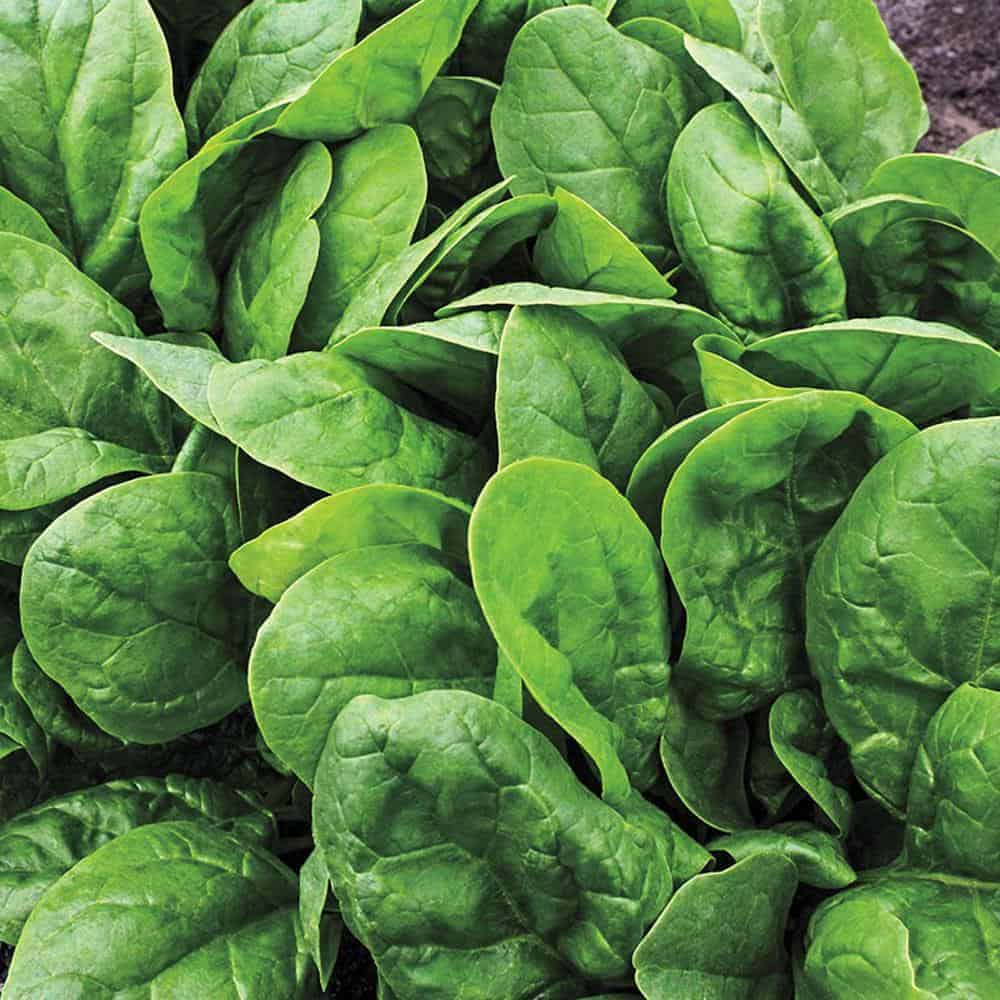
Spinach Leaves
Spinach is one of the best non-heme (plant-based) sources of nutrients and is low in calories. Spinach is a standout in terms of its mix of phytonutrients, and spinach leaves contain two powerful antitumor promoters. It is a highly popular food for vegetarians and provides a balanced way to boost your immune system. It is a well-known fact that spinach is best consumed as part of a well-rounded, nutritious diet.
What Are The Benefits of Eating Spinach?
Spinach is low in carbs but high in insoluble fibre. This type of fibre may significantly benefit your digestion.
Most of the carbohydrates in spinach consist of fibre, which is incredibly healthy.
Nutritional Facts for 100g of raw spinach:
- Calories: 23
- Water: 91%
- Protein: 2.9 grams
- Carbs: 3.6 grams
- Sugar: 0.4 grams
- Fibre: 2.2 grams
- Fat: 0.4 grams
Vitamins and Minerals

Spinach is an excellent source of many Vitamins and Minerals, namely:
- Vitamin A
- Vitamin C
- Vitamin B6
- Vitamin E
- Vitamin K1
- Folic Acid (Folate, Vit B9)
- Iron
- Calcium
- Potassium
- Magnesium
Spinach Boasts Many Plant Compounds And Benefits
- Lutein: This compound is linked to improved eye health.
- Kaempferol: This antioxidant may decrease the risk of chronic illnesses and chronic diseases.
- Nitrates: Contains high amounts of nitrates, which may promote heart health.
- Quercetin: An antioxidant that may ward off infection and inflammation. Spinach is one of the richest dietary sources of quercetin.
- Zeaxanthin: Like Lutein, zeaxanthin can also improve eye health.
Health Benefits That Spinach Offers You
Spinach is extremely healthy with numerous health benefits.
It has been shown to improve oxidative stress, eye health, blood pressure, Asthma, Diabetes and other diseases.
Bones
"The National Osteoporosis Foundation recommends eating spinach for its Vitamin K and Magnesium contents for bone health."
- The National Osteoporosis Foundation
The high level of potassium in spinach is also helpful in protecting against bone mineral density loss. Additionally, spinach contains calcium, well known to be important for bones.
Iron Deficiency – Anemia
This is the most common type of Anemia, and women are its largest risk group. Without sufficient iron, your blood cannot produce enough haemoglobin. This blood protein gives blood cells their red colour and transports oxygen to organs. For those who suffer from or are at risk of anaemia, it is important to eat iron-rich foods.
Skin and Hair
Spinach is high in Vitamin A, which is a nutrient required for sebum production to keep hair moisturized. Vitamin A is also necessary for the growth of all bodily tissues, including skin and hair.
Vitamin A is also a necessary compound in retinoids, which are popular in anti-ageing skin therapy sessions.
Furthermore, Vitamin C, which spinach can help provide, is needed for the building and maintenance of collagen to provide structure for your skin and hair. Vitamin C can help keep skin looking youthful and aids in wound wellness.
Risks of Eating Spinach
You should always buy organic spinach if it is available. Always make sure to wash it thoroughly regardless of what type it is.
Suddenly increasing your consumption of spinach could be harmful if you are taking blood thinners such as Coumadin/Warfarin. It is important that you maintain a consistent intake of foods containing Vitamin K, which plays a large role in blood clotting.
If your kidneys are not fully functional, consuming too much potassium could cause an excess amount of potassium in the blood and even be fatal. Spinach also contains oxalates, which can be harmful to those with kidney or gallbladder problems. Excessive accumulation of oxalates can crystallize and cause problems.
"If your kidneys are not fully functional, consuming too much potassium could cause an excess amount of potassium in the blood and even be fatal," said Ware. "Spinach also contains oxalates, which can be harmful to those with kidney or gallbladder problems. Excessive accumulation of oxalates can crystalize and cause problems."
- World's Healthiest Foods
"It is important to try and keep the same amount of vitamin K in your diet. All foods are okay, but do not make big changes to how much or what you eat. It is important to check with your health-care provider before making any big changes to your diet."
- University of Iowa Hospitals
Spinach in your Diet
Spinach is a versatile vegetable and can be eaten raw or cooked. It is available fresh, frozen, or canned. Here are some tips to try to incorporate more spinach into a daily routine:

Spinach Smoothie
- Add spinach to pasta, soups, and casseroles.
- Lightly sauté spinach in a small amount of extra virgin olive oil. Season with freshly ground black pepper and freshly grated Parmesan cheese.
- Add spinach to a wrap, sandwich, or flatbread.
- Make a dip with spinach, such as spinach and artichoke dip or spinach and goat cheese dip.
- Add a handful of fresh spinach to an omelette or scramble, or throw a handful into a smoothie.
- Spinach can be added to breakfast muffins.