
Coffee is much more than just a morning ritual; it is a complex beverage with profound effects on our physiology. Across the world, millions rely on it to kickstart their day, but when viewed through a nutritional lens, the "magic" of coffee reveals both powerful benefits and important considerations. Let us dive into the nutritional truth about coffee to help you make informed choices about your daily brew.
The Nutritional Benefits
When consumed black and in moderation, coffee is remarkably low in calories while being dense in specific beneficial compounds.
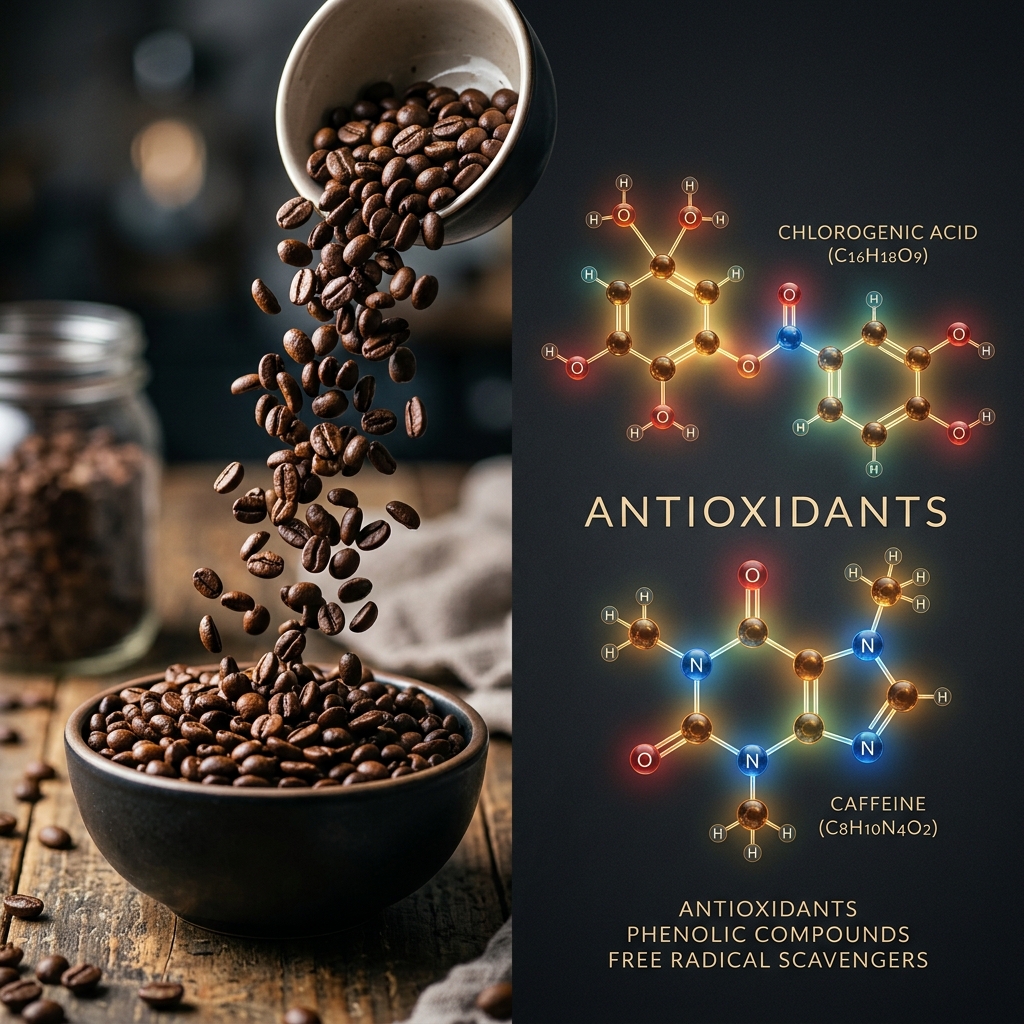
- Rich in Antioxidants: Coffee is actually one of the largest sources of antioxidants in the modern diet. It contains high levels of polyphenols and hydrocinnamic acids, which help combat free radicals and oxidative stress in the body.
- Cognitive Boost: The caffeine in coffee acts as a central nervous system stimulant. It blocks the inhibitory neurotransmitter adenosine, leading to increased neuronal firing. This can temporarily enhance memory, mood, vigilance, and general mental function.
- Physical Performance: Caffeine increases adrenaline levels in the blood and releases fatty acids from fat tissues, making them available as fuel. This is why many athletes use a cup of black coffee as a pre-workout performance enhancer.
- Essential Nutrients: A single cup contains small amounts of several essential nutrients, including Riboflavin (Vitamin B2), Pantothenic Acid (Vitamin B5), Manganese, and Potassium. While the amounts are small per cup, they add up if you drink multiple cups a day.
The Drawbacks & Considerations
Despite its benefits, coffee is not universally beneficial for everyone. The way your body metabolizes caffeine is highly individual, determined largely by genetics.
- Sleep Architecture Disruption: Caffeine has a half-life of roughly 5 to 6 hours. Consuming coffee late in the afternoon can significantly disrupt your sleep cycle (a leading contributor to insomnia), particularly REM sleep, which is crucial for cognitive recovery.
- Nervous System Stimulation: For those prone to anxiety or chronic corporate stress, coffee can exacerbate symptoms. It triggers the release of cortisol (the stress hormone), which can lead to feelings of jitteriness or an accelerated heart rate.
- Digestive Acidity: Coffee is naturally acidic. For individuals with sensitive stomachs or conditions like GERD (Gastroesophageal Reflux Disease), coffee can irritate the stomach lining and cause heartburn.
- Nutrient Depletion: Coffee acts as a mild diuretic. Excessive consumption without adequate hydration can lead to a loss of water-soluble vitamins and important minerals like magnesium and calcium.
What Do The Studies Say?
Scientific research on coffee is extensive and generally leans positive when consumption is moderate. For instance, comprehensive studies published by institutions like the Harvard T.H. Chan School of Public Health show that moderate coffee consumption (about 3-4 cups a day) is linked to a lower risk of all-cause mortality, cardiovascular diseases, and neurological conditions like Parkinson's disease. The American Heart Association also notes that caffeinated coffee may reduce the risk of heart failure. However, studies emphasize that the profound benefits are tied to the antioxidants present in the bean, and these benefits are often negated if the coffee is saturated with sugar and artificial creamers.

Holistic Consumption: Drinking Coffee Healthier
If you choose to drink coffee, how you consume it matters just as much as how much you consume.
- Skip the Sugar: The health benefits of coffee are quickly negated when it is loaded with refined sugars, artificial syrups, and heavy creamers. Aim to drink it black, or use a splash of unsweetened plant-based milk.
- Mind Your Timing: To protect your sleep and natural cortisol rhythm, try to delay your first cup until 90 minutes after waking up, and stop consuming caffeine at least 8 hours before your planned bedtime.
- Choose Organic: Coffee beans are among the most heavily pesticide-sprayed crops in the world. Choosing organic, shade-grown coffee can reduce your exposure to unwanted chemicals.
- Listen to Your Body: Pay attention to how you feel after drinking coffee. If you experience an energy crash (which could indicate a deeper need for energy and vitality support), anxiety, or digestive upset, it may be a sign to cut back or switch to a lower-caffeine alternative like green tea.
Ultimately, coffee can be a healthy part of your nutritional plan when consumed mindfully. By understanding its profound effects on your body, you can harness its benefits while avoiding its potential pitfalls.

Authors: Mariana Botha (NHP) & Bryan Botha (NHP)
Natural Health Practitioners (SATAHWA Reg No. 18132909)
15+ years experience in complementary wellness technologies.
Mariana Botha (NHP) is a qualified Bioresonance practitioner dedicated to holistic wellness. She meticulously reviews and interprets wellness scans, blending frequency wellness with targeted nutritional support to help clients achieve their health goals.
Registered with: SATAHWA (Reg No. 18132909) and ANHA as Natural Health Practitioners (NHP).