A strong immune system is essential for maintaining health and vitality, particularly in South Africa where environmental factors, stress, and lifestyle can deplete our body's reserves. Two of the most critical micronutrients for immune defense are Zinc and Selenium.
Studies have shown that populations in Southern Africa often face a risk of deficiency in these trace minerals, partly due to soil depletion affecting local crops like maize, and dietary choices that lack variety. In this guide, we explore how you can naturally boost your intake, recognize deficiency, and make informed choices about supplementation.
Why Are Zinc and Selenium Crucial?
These two minerals work synergistically, but they have distinct roles in keeping you healthy:
- Zinc's Role: Zinc is a "gatekeeper" for the immune system. It is essential for the development and function of white blood cells, helps regulate inflammatory responses, and accelerates wound healing.
- Selenium's Role: Selenium is a potent antioxidant. It protects cells from oxidative stress and is vital for the proper functioning of neutrophils, macrophages, and T-lymphocytes—the cells that defend the body against infections. Furthermore, selenium is crucial for healthy thyroid function.
Signs of Zinc and Selenium Deficiency
Because soil quality in parts of South Africa can be poor in trace minerals, deficiencies are more common than many realise. Look out for these signs:
- Zinc Deficiency: Frequent colds and infections, slow wound healing, unexplained hair loss, a loss of taste or smell, and chronic fatigue.
- Selenium Deficiency: Muscle weakness, brain fog, weakened immunity, and in severe cases, thyroid dysfunction.
Top Natural Food Sources in South Africa
Before turning to supplements, it is always recommended to try and meet your Recommended Dietary Allowance (RDA) through whole foods. Here are accessible South African food sources:
Foods High in Zinc
- Red Meat: Local lean beef and lamb are excellent, highly bioavailable sources.
- Seeds and Nuts: Pumpkin seeds (pepitas), hemp seeds, and cashews.
- Legumes: Lentils, chickpeas, and beans (soaking them reduces phytates, which can inhibit zinc absorption).
- Seafood: Oysters contain more zinc per serving than any other food. Mussels and crab are also good sources.
Foods High in Selenium
- Brazil Nuts: Just one to two Brazil nuts a day can provide more than your daily requirement of selenium.
- Fish: Yellowtail, sardines, and tuna.
- Poultry and Eggs: Chicken and free-range eggs.
- Leafy Greens: Spinach and locally grown greens (though levels depend heavily on the soil).
When Food Isn't Enough: Safe Supplementation
Sometimes, achieving optimal levels through diet alone is difficult. Whether due to the cost of certain foods, dietary restrictions (like veganism), or malabsorption issues due to pre-existing health conditions, supplements can bridge the gap.
Affordable Supplement Options
For adults looking to boost their intake safely and affordably, we recommend scientifically formulated products that have been trusted by professional athletes and wellness experts for decades. These provide a balanced dosage of essential minerals without breaking the bank (often less than R19.00 a meal):
- Nutritional Shake: Contains a balanced blend of Vitamin C, Zinc, and Selenium.
- Pro Core: A targeted Zinc & Selenium formula.
- Herbalife 24 Series: Trusted by athletes for recovery and immune support (contains Zinc & Selenium).
- Roseguard & Triblend: Excellent sources of Vitamin C and botanical antioxidants.
These products offer a convenient way to ensure you are getting the necessary micronutrients, delivered directly to your door.
For more personalized advice on immune support or to explore holistic health treatments, contact us today or book a consultation.
Join the Conversation
Do you prefer getting your nutrients from whole foods or do you rely on supplements? Leave a comment below, we'd love to hear your thoughts.
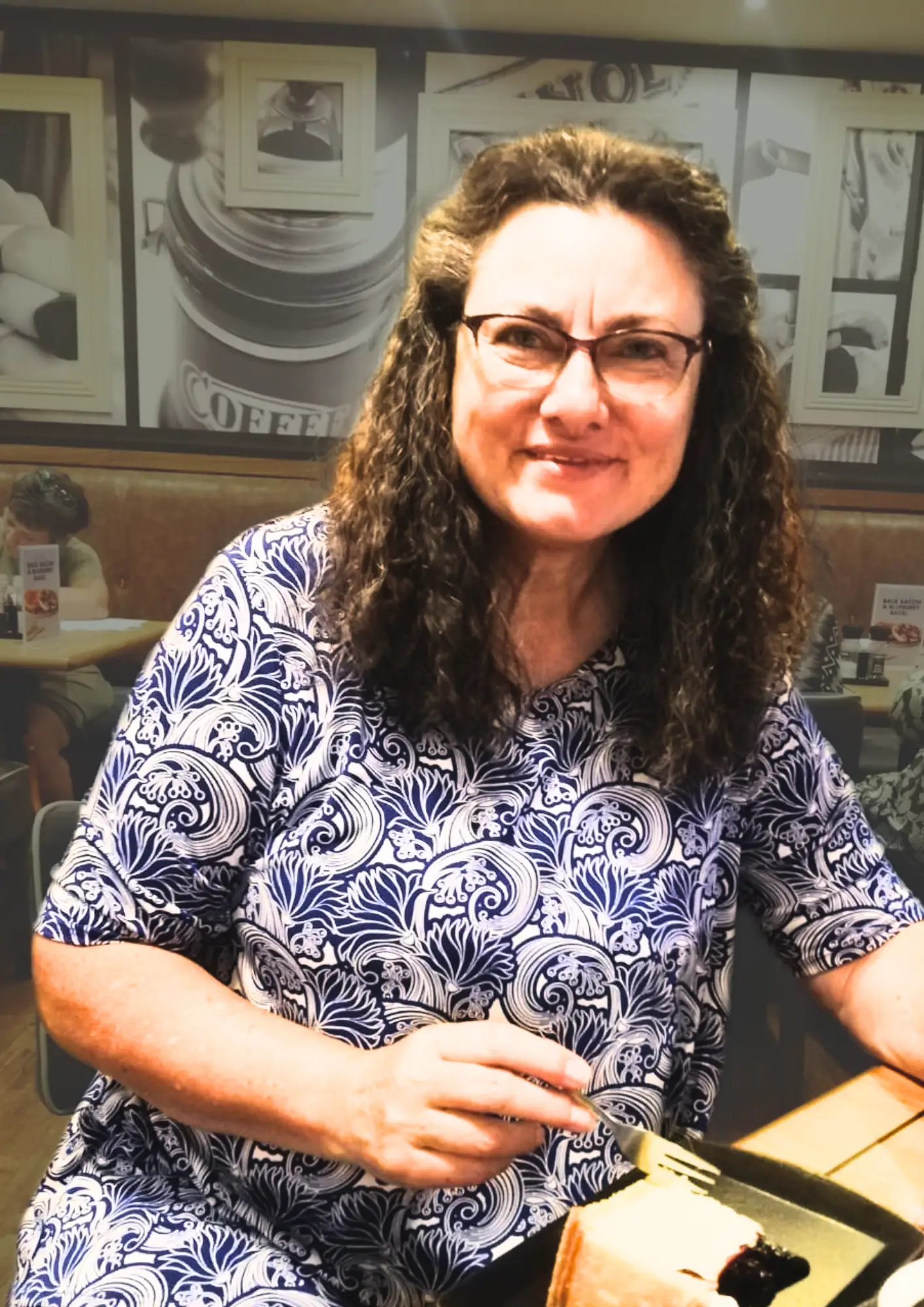
Authors: Mariana Botha (NHP) & Bryan Botha (NHP)
Natural Health Practitioners (SATAHWA Reg No. 18132909)
15+ years experience in complementary wellness technologies.
Mariana Botha (NHP) is a qualified Bioresonance practitioner dedicated to holistic wellness. She meticulously reviews and interprets wellness scans, blending frequency wellness with targeted nutritional support to help clients achieve their health goals.
Registered with: SATAHWA (Reg No. 18132909) and ANHA as Natural Health Practitioners (NHP).