Welcome to Week 1! This week we will deal with an introduction to protein. First, here is the short video about Protein by Dr Luigi Gratton.
An Introduction to Protein
It seems everywhere we look someone is promoting a new diet that praises the power of protein. But whether you want to lose or gain weight, or maintain your current weight, the importance of protein goes far beyond physical appearance and muscle building.
A Necessity For Every Body
Protein is an important component of every cell in the body. It is an organic compound, composed of 22 amino acids, otherwise known as the building blocks of life. Protein is stored in muscles and organs, and the body utilises it to build and repair tissues, as well as for the production of enzymes and hormones. Protein also makes it possible for blood to carry oxygen throughout the body. A deficiency can impair important body functions and cause loss of muscle mass.
How Protein Affects Your Weight
The widespread popularity of high-protein diets is due in large part to their ability to help manage hunger. When protein is absorbed, it sends a signal to the brain to decrease your hunger. Another benefit of protein is that it maintains muscle mass, which is known to increase metabolism. Protein also leads to a much less rapid rise and fall of blood sugar and insulin, avoiding those "sugar highs and lows".
Consider The Source
You can obtain healthy sources of protein without high levels of saturated fat. For example, soybeans, nuts, and whole grains provide protein without much saturated fat and offer plenty of healthful fibre and micronutrients.
Protein Foods At-A-Glance
- Dairy: Egg whites (7 = 25g), Cottage cheese (1 cup = 28g), Yogurt (6oz = 5g)
- Meats: Beef lean (3oz = 25g), Chicken breast (3oz = 25g)
- Fish: Ocean-caught fish (4oz = 25-31g), Tuna (4oz = 27g)
- Beans/Lentils: Beans (½ cup = 7g), Lentils (½ cup = 9g), Tofu (¼ block = 7g)
Download the week 1 lesson PDF
Until next week!
Stay Safe, Stay Healthy
WLC Team
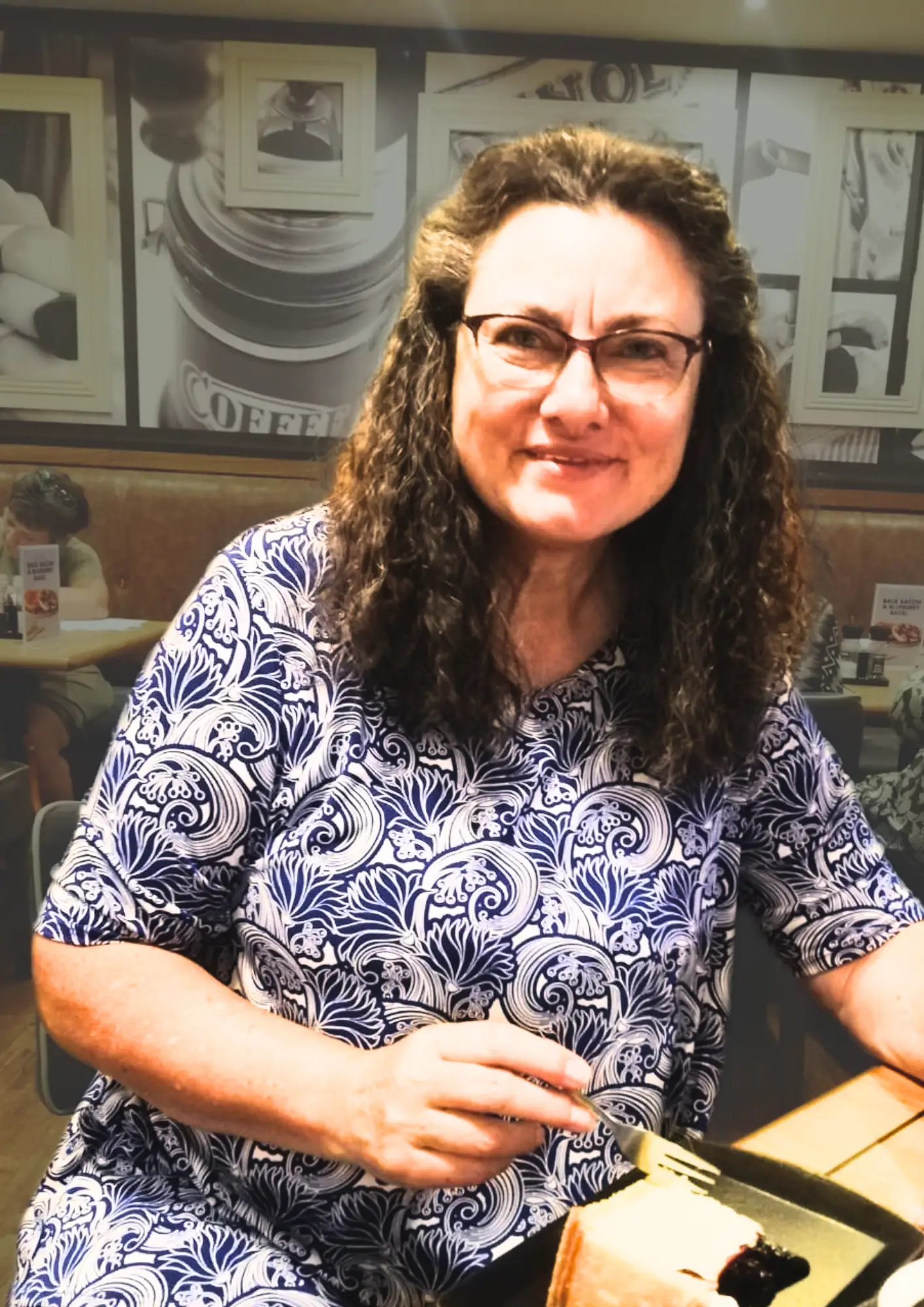
Authors: Mariana Botha (NHP) & Bryan Botha (NHP)
Natural Health Practitioners (SATAHWA Reg No. 18132909)
15+ years experience in complementary wellness technologies.
Mariana Botha (NHP) is a qualified Bioresonance practitioner dedicated to holistic wellness. She meticulously reviews and interprets wellness scans, blending frequency wellness with targeted nutritional support to help clients achieve their health goals.
Registered with: SATAHWA (Reg No. 18132909) and ANHA as Natural Health Practitioners (NHP).