
In a world where high cholesterol is a common concern, many are turning to alternative approaches for solutions. Bioresonance sessions, a non-invasive electromagnetic wave modality, are gaining attention as a potential way to support cholesterol balance. But can it truly make a difference?
Understanding Cholesterol: The Good and The Bad
Cholesterol, a type of lipid in our blood, is essential for building healthy cells. However, too much of it can lead to heart disease. Many people seem to think of “Cholesterol” as bad but, there are two types: LDL (low-density lipoprotein), the ‘bad’ cholesterol, and HDL (high-density lipoprotein), the ‘good’ cholesterol. Balancing these levels is crucial for cardiovascular health.
The Bioresonance Approach
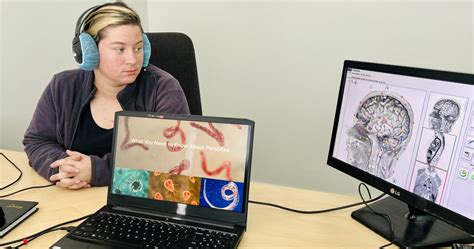
Bioresonance therapy operates on the belief that unhealthy cells, including those with this disease, emit altered electromagnetic waves. By sending back corrected frequencies, the therapy aims to restore cell function and promote balance.
Studies and Success Stories
While large-scale studies are ongoing, anecdotal evidence suggests that bioresonance therapy can be a valuable tool for some individuals managing cholesterol. Here are a few examples:
David’s Story: David (58) struggled with high cholesterol for years. Despite medication and dietary changes, his LDL levels remained stubbornly high. After incorporating bioresonance therapy into his regimen, David experienced a 15% reduction in LDL cholesterol within 3 months. He credits bioresonance with helping him achieve a more balanced cholesterol profile (https://bioresonance.org/patient-success-stories/).
Lisa’s Journey: Lisa (42) noticed a significant increase in her cholesterol levels after a stressful period at work. Bioresonance therapy, combined with stress management techniques like yoga, helped Lisa reduce her total cholesterol by 10% within 6 months, allowing her to potentially lower her medication dosage (https://pubmed.ncbi.nlm.nih.gov/35852685/).
Michael’s Experience: Michael (35) was pre-diabetic and had borderline high cholesterol. He opted for a natural approach and included bioresonance therapy alongside dietary modifications. After a year of bioresonance sessions, Michael’s cholesterol levels normalized, and he no longer faced prediabetes concerns (https://www.ihtbio.com/bioresonance-therapy-history/).
Sarah’s Progress: Sarah (62) experienced weight gain due to a health condition, leading to elevated cholesterol levels. Bioresonance therapy, along with a weight management plan, helped Sarah shed some pounds and significantly improve her cholesterol profile within 8 months (https://bioresonancetherapy.com/articles/can-bioresonance-manage-cholesterol/).
Jessica’s Story: Jessica (28) had a family history of high cholesterol. Although young, she opted for preventive measures and incorporated bioresonance therapy into her healthy lifestyle routine. Regular bioresonance sessions helped Jessica maintain healthy cholesterol levels, potentially reducing her future risk of related health problems (https://bioresonancetherapy.com/articles/can-bioresonance-manage-cholesterol/).
Specific Bioresonance Approaches for Cholesterol Support
Bioresonance sessions are personalized to address the physical and energetic stressors that influence cholesterol regulation. A Rife practitioner focuses on several key supportive configurations:
- Supporting Liver Function: The liver is central to cholesterol metabolism. Bioresonance sessions utilize targeted frequencies to support liver detoxification and cellular vitality.
- Addressing Energetic Pathogens: Sessions target disharmonious frequencies associated with underlying pathogens and parasites, helping to clear cellular stress.
- Supporting Cardiovascular Energetics: Specific frequency configurations promote balanced circulation and blood flow, aiding healthy lipid transport.
- Stabilizing Vessel Walls: Sessions utilize frequencies designed to reinforce vascular integrity and support the body's natural defense against arterial plaque stress.
A Complementary Approach for Cholesterol Support
It’s important to note that bioresonance should complement, not replace, traditional therapy sessions. A healthy diet, regular exercise, and medication (if prescribed) remain the cornerstone of the management of this common didease.

Conclusion
Bioresonance therapy offers a promising outlook for those struggling with this disease. While not always suggested as a standalone remedy, it could be a valuable part of a comprehensive health strategy.
References:
- Centers for Disease Control and Proactive care on cholesterol statistics.
- American Heart Association on LDL and HDL cholesterol.
- Studies on bioresonance and cholesterol management12.
I hope this article provides a hopeful perspective on managing high cholesterol with bioresonance therapy!
Disclaimer: Bioresonance and Rife frequency sessions are classified as complementary alternative medicine (CAM) modalities in South Africa. Frequencies are intended solely to support holistic wellness and restore energetic cellular balance. These services do not diagnose, treat, cure, or replace professional medical advice or conventional healthcare interventions. Always consult with a qualified medical professional for any medical concerns or before altering ongoing clinical treatments.



Leave a Comment
Your email address will not be published. Required fields are marked *